1/275, Behind Central Theatre, Natham - 624401, TN, India
saadows@gmail.com

The Challenge in Karanthamalai

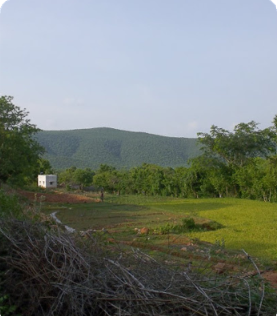
Karanthamalai Hills

The communities residing along the slopes and fringes of the Karanthamalai Hills face interconnected environmental and economic crises:

  • Drying Mountain Springs: Deforestation and soil compaction have reduced groundwater recharge, causing ancestral perennial springs to dry up early in the summer.
  • Severe Land & Soil Degradation: Unpredictable, intense rainfall bursts wash away fertile topsoil, leading to gully erosion on slope farms and lower crop yields.
  • Loss of Native Biodiversity: Encroachment of invasive species has displaced indigenous flora and fauna, weakening natural forest resilience.
  • Gender-Disproportionate Vulnerability: Women walk farther distances to fetch water and fuel wood, while facing financial instability from falling agricultural productivity.

Key Project Components & Field Activities

1. Watershed & Mountain Spring Rejuvenation

To arrest soil erosion and recharge depleted groundwater aquifers across the hill slopes, SAADOW mobilizes community watershed groups to build and maintain decentralized water structures:

  • Springhead Protection: Cleaning and ecological bunding around natural mountain springs to ensure year-round drinking water.
  • Soil & Moisture Conservation: Constructing stone check-dams, contour trenches, and loose-boulder structures along natural drainage lines to trap rainwater and prevent topsoil wash-off.
  • Percolation Ponds: Excavating village-level recharge ponds to capture monsoon runoff and elevate groundwater tables across surrounding farmland.

2. Forest Landscape & Biodiversity Restoration

Restoring degraded forest fringes through community-managed forestry:

  • Community Native Nurseries: Establishing nurseries managed by women’s Self-Help Groups (SHGs) to raise native fruit, fodder, shade, and medicinal tree species.
  • Afforestation & Eco-Restoration: Planting over 10,000 native saplings annually along degraded hill tracts, stream banks, and common lands.
  • Protection of Endemic Flora: Propagating rare indigenous medicinal plants native to the Karanthamalai ecosystem to conserve biological heritage.

3. Agroecology & Seed Sovereignty

Shifting slope farmers away from expensive, soil-depleting chemical inputs toward climate-resilient organic agriculture:

  • Traditional Seed Banks: Setting up community-run seed banks to conserve indigenous, drought-resistant varieties of millets, pulses, and oilseeds.
  • Bio-Input Production Units: Training women farmers to produce organic fertilizers and pest repellents locally, lowering farming costs.
  • Soil Health Improvement: Promoting multi-cropping, agroforestry, and composting techniques that build organic carbon in the soil.

4. Women-Led Green Livelihoods & Enterprises

Ensuring that ecological conservation directly translates into sustainable household income:

  • Value Addition & Marketing: Forming women-led cooperatives to process, package, and market organic millets, wild honey, and non-timber forest produce (NTFP).
  • Eco-Enterprises: Supporting women with micro-grants and equipment for value-added products like herbal powders and eco-friendly leaf plates.
  • Direct Market Links: Connecting hill farmers directly to urban organic markets, bypassing middlemen to double farmgate earnings.

Measurable Impact Targets

Through this project, SAADOW aims to achieve the following tangible outcomes:

Restoration Goal Target Output Long-Term Impact
Water Security 15+ Springs Rejuvenated; 30+ Check-Dams Constructed Year-round water availability for drinking and micro-irrigation.
Forest Cover 25,000 Native Trees Planted & Nurtured Restored hill slopes, reduced landslide risks, and improved soil carbon.
Agroecology Transition 1,000 Smallholder Farmers Trained 50% reduction in chemical input costs; enhanced climate resilience.
Women & Income 500+ Women Enrolled in Agro-Cooperatives 40% average increase in seasonal household income from green products.

Join Hands to Restore Karanthamalai Hills & Eastern Ghats

The restoration of the Karanthamalai Hills is a living example of how local community action can reverse environmental degradation and build climate resilience from the ground up.

How You Can Partner With Us:

01

Fund a Watershed Sector

Sponsor the construction of check-dams, springhead protections, or percolation ponds ($1,500 – $5,000).

02

Sponsor a Community Native Nursery

Support women’s SHGs in raising 5,000 native saplings ($2,000 per nursery/year).

03

Adopt an Agroecology Village

Fund seed bank setups and organic farming training for an entire village ($3,500 per village).

04

Technical & Institutional Collaboration

Partner with us for GIS mapping, ecological impact audits, or research studies.