Our Vision for the Future
Building resilient communities, restoring ecosystems, protecting biodiversity and creating sustainable livelihoods for future generations.
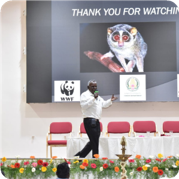
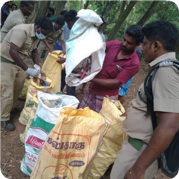
Building Resilient Communities and Restoring Nature
Over the coming decade, SAADOW envisions thriving rural and hill communities where women lead local development, forests are restored, biodiversity flourishes, water resources are protected, and climate-resilient livelihoods provide lasting prosperity.
SAADOW’s future is guided by a vision of creating climate-resilient communities living in harmony with healthy ecosystems. Building on more than 36 years of grassroots experience, the organisation is expanding its work from community development to landscape-scale ecosystem restoration, biodiversity conservation, climate adaptation, and sustainable green livelihoods.
Our future programmes are designed to align with the United Nations Sustainable Development Goals (SDGs), the Kunming-Montreal Global Biodiversity Framework, the UN Decade on Ecosystem Restoration, and global Nature-based Solutions (NbS) and Ecosystem-based Adaptation (EbA) approaches.
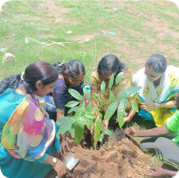
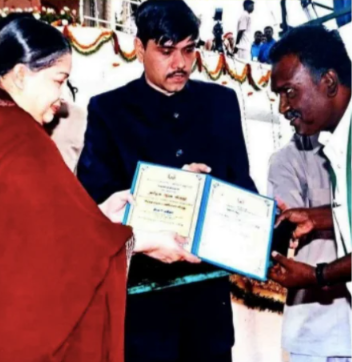
Community-Led Landscape Restoration
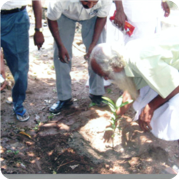
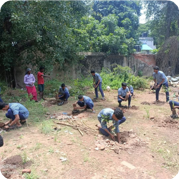
SAADOW aims to restore degraded forest landscapes across the Karanthamalai Hills through community participation and scientific ecological restoration.
Key Priorities
- Restore degraded forest ecosystems using native tree species.
- Reconnect fragmented wildlife habitats and ecological corridors.
- Strengthen community-based forest stewardship.
- Promote natural regeneration and assisted forest restoration.
- Establish village-level native plant nurseries.
Biodiversity Conservation
Protecting biodiversity remains central to SAADOW’s long-term strategy.
Future Initiatives
- Conserve threatened flora and fauna of the Eastern Ghats.
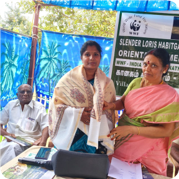
- Strengthen habitat protection for endangered species, including the Slender Loris.
- Promote biodiversity monitoring using community participation.
- Expand environmental education programmes for schools and youth.
- Develop community biodiversity registers and conservation plans.
Climate Change Adaptation
SAADOW will support vulnerable rural communities in adapting to climate change through ecosystem-based solutions.
Planned Activities
- Promote Ecosystem-based Adaptation (EbA).
- Strengthen climate-resilient agriculture.
- Improve drought preparedness and water security.
- Build local climate adaptation capacities.
- Develop community climate resilience plans.
Water Security and Watershed Restoration
Recognising water as the foundation of rural livelihoods, SAADOW plans to expand watershed restoration efforts.
Future Activities
- Restore springs and traditional water sources.
- Promote rainwater harvesting.
- Improve groundwater recharge.
- Strengthen soil and moisture conservation.
- Develop community watershed management systems.

Sustainable Green Livelihoods
Future livelihood programmes will integrate economic development with environmental sustainability.
Priority Areas
- Forest-friendly enterprises.
- Non-Timber Forest Product (NTFP) value addition.
- Organic agriculture.
- Medicinal plant cultivation.
- Eco-friendly rural enterprises.
- Women-led producer groups.
- Green entrepreneurship for youth.
Women and Youth Leadership
SAADOW believes that sustainable development depends on strong local leadership.
Future Programmes Will Focus On
- Leadership development for women.
- Green entrepreneurship training.
- Climate leadership for rural youth.
- Digital literacy and innovation.
- Community volunteer networks.
- Youth Habitat Guardian initiatives.
Research, Innovation and Knowledge Sharing
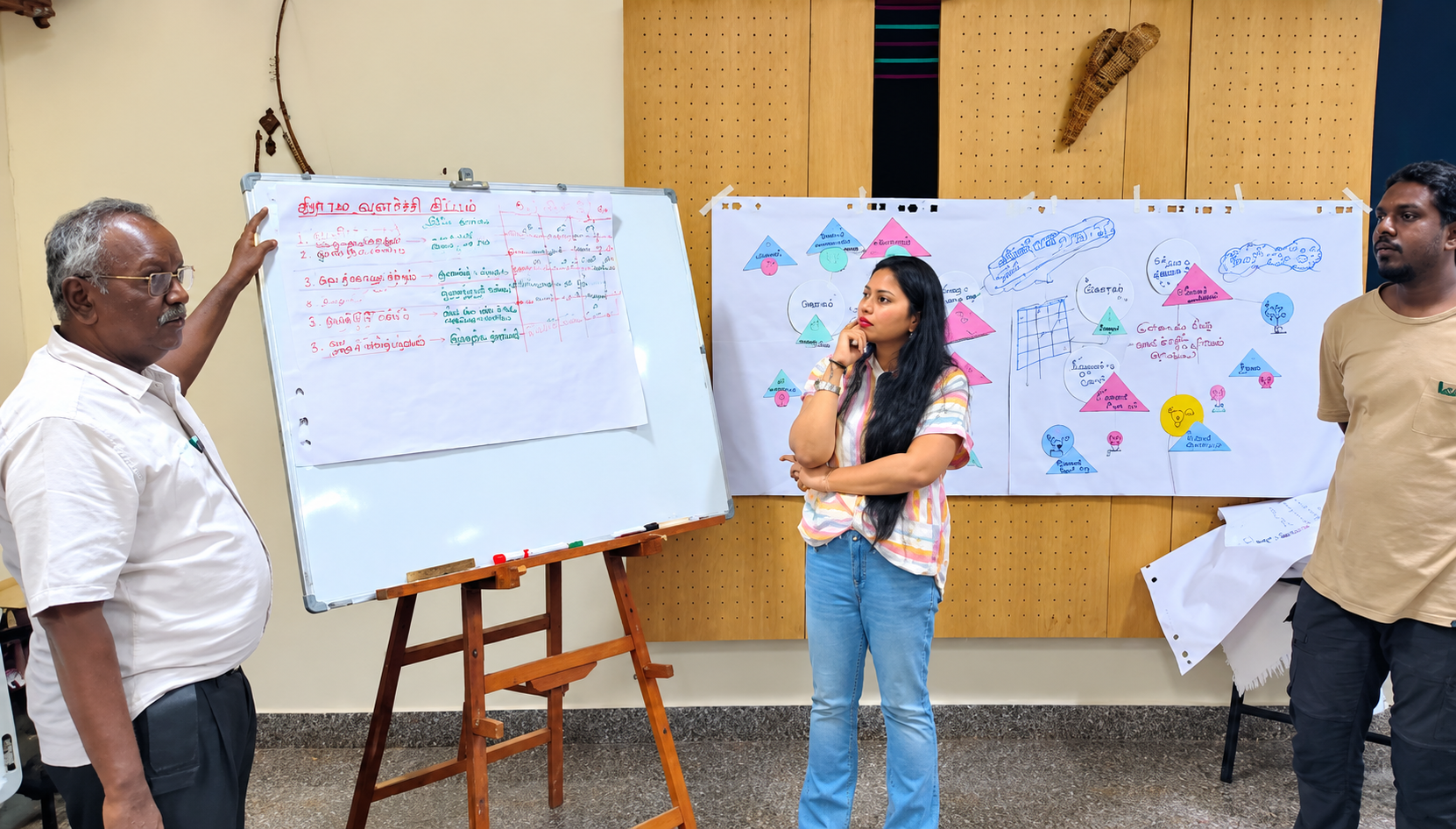
To strengthen evidence-based development, SAADOW plans to collaborate with universities, research institutions, and technical partners.
Key Areas Include
- Participatory research.
- Biodiversity documentation.
- Climate vulnerability assessments.
- Community-based monitoring.
- Indigenous and traditional ecological knowledge.
- Digital knowledge management.
Strategic Partnerships
Future success depends on strong collaboration. SAADOW seeks to expand partnerships with:
- Government departments.
- National and international NGOs.
- Universities and research institutions.
- Corporate CSR partners.
- Philanthropic foundations.
- Multilateral development agencies.
- Community-based organisations.